Wildfire and Wildlife

Wildfire and Wildlife

South Wales Fire and Rescue Service 

Wildfires threaten some of Gwent's most vulnerable species and leave lasting damage to habitats, soils and waterways. Learn about the impact and steps to reduce the risk.

Just when the heather should start bursting into flower, transforming our wonderful upland moors with their vibrant purple flower, intense wildfires are turning parts of Gwent’s uplands into a smouldering black sea. 

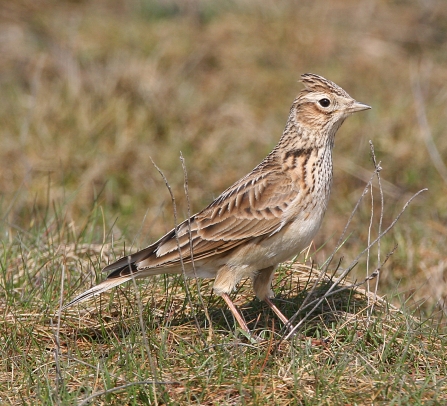
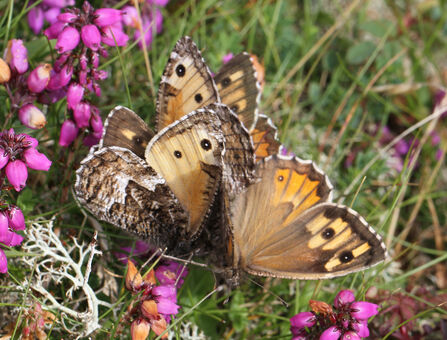
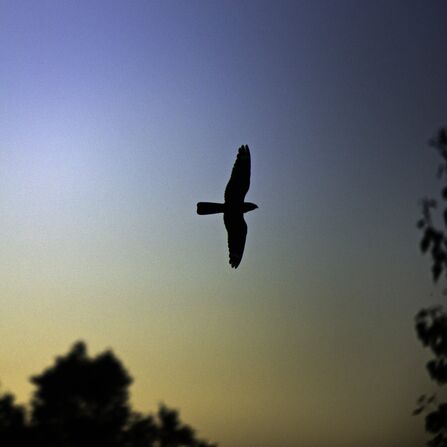
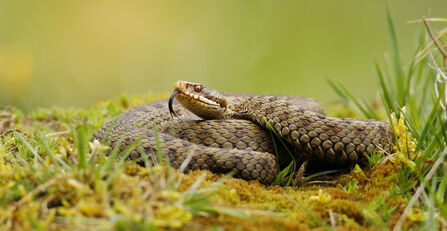
As well as the devastating immediate human impact, expense and burden on our emergency services, farmers and landowners, the consequences for nature can be dire. Many species, will be impacted by this week’s wildfire on the Blorenge near Blaenavon. including Skylark, Whinchat, Curlew, Red Grouse and Nightjar, small mammals, Adder, Common Lizard and many different insects from Grayling Butterfly to the scarce Bilberry Bumblebee rely on our upland moors for food, shelter, and breeding grounds. Whilst some wildlife can escape from the immediate danger, they then have to contend with the loss of their homes and reduced food availability. 

The protective layer of vegetation destroyed by fires leave the soil exposed and vulnerable to erosion. The regrowth of vegetation can be slow and challenging, further exacerbating soil degradation and erosion. Wildfires also release large amounts of carbon dioxide into the atmosphere, contributing to greenhouse gas emissions and exacerbating climate change. The smoke and pollutants released during wildfires also have a detrimental effect on air quality, posing risks to us as well. 

Wildfires also impact water quality as the ash and soils wash into our rivers, lakes and reservoirs. The loss of these precious ecosystems disrupts the delicate balance of nature, leading to soil erosion and habitat destruction and leave a scar on our beautiful landscape. 

While the full impact and cost of these fires is still to be determined, we know the physical scars of these events will be visible on the landscape for some time.  

"Three of our ten priority wildlife species for Gwent rely directly on this habitat: Adder, Grayling Butterfly and Nightjar. They are all vulnerable species that are already struggling, so these wildfires could lead to the direct loss of populations, or the fragmentation of already struggling populations, making them no longer viable, thus leading to localised extinctions. We took part in The BTO's Heathland Bird Survey last year, and the results were positive for Nightjars which was pleasing to hear, however large scale loss of habitat to wildfires will be detrimental to the species recovery."
Andy Karran
Evidence Manager, Gwent Wildlife Trust

What can we all do?

Last year, NRW reported that most wildfires in Wales are started deliberately and are classed as arson. Some are a result of carelessness through inappropriate use of BBQs. Very few are caused by accidents or natural causes. 

Everyone has a role to play in preventing wildfires. If you see smoke or fire in the countryside, call 999 immediately and ask for the fire service.  

If there is a wildfire near you, call 999, close your windows, the Fire Service will evacuate you if there is a danger.  

If you see any suspect a fire has been started deliberately, report it via Crimestoppers on 0800 555 111 or to the Police on 101.  

Do not light campfires, discard cigarettes or glass bottles in the countryside, especially during dry weather.   

Only light barbeques where signs say you can. Respect local signage and fire warnings – and if you live near fire-prone areas, get to know the guidance available on wildfire prevention.  

Find more information on the Wales Wildfire Wise website here.