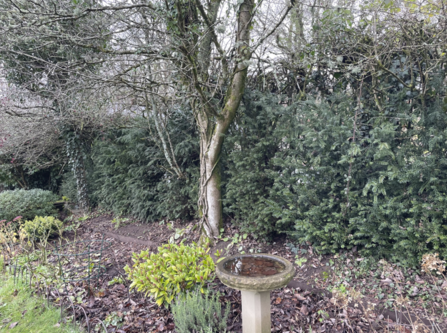
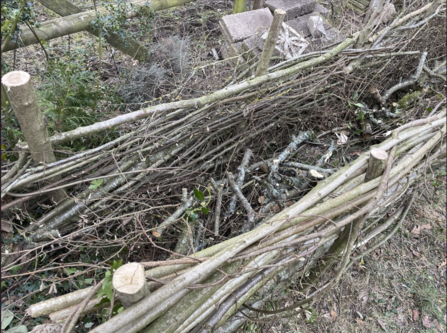
Hedges are one of the most valuable habitats we can offer wildlife, and yet they’re often overlooked or reduced to little more than neat garden boundaries. In reality, a hedge is a living, breathing ecosystem, one that supports an extraordinary range of species throughout the year.
A healthy hedge provides food, shelter, and safe passage for wildlife. Birds nest deep within the tangle of branches, protected from predators and the elements. At ground level, hedgehogs, amphibians, and small mammals find shelter, hibernation sites, and protection as they move through an urban landscape. Insects of all kinds rely on hedges for refuge, breeding sites, and overwintering habitat.
As the seasons change, hedges continue to give. Spring flowers feed early pollinators, summer foliage supports caterpillars and insects, autumn berries provide vital food for birds and mammals, and winter structure offers shelter when resources are scarce. This year-round value makes hedges a true lifeline for wildlife.
Perhaps one of the most important roles hedges play is as wildlife corridors. In a world where habitats are increasingly fragmented by roads, fencing, and development, hedges connect gardens, fields, woodlands, and wild spaces. These green pathways allow species to move safely, find new territories, and maintain healthy populations.
By planting and gently managing diverse, preferably native hedgerows, we can dramatically improve biodiversity in our gardens and local landscapes. Allowing hedges to grow a little wilder, cutting outside of nesting season, and embracing flowers and berries rather than tidiness all make a huge difference.