On our Reserves - February 2026

On our Reserves - February 2026

Find out what our staff and volunteers have been up to on our reserves over the last few months and more importantly - why!

It’s been a little while since our last reserve update, and lots of exciting things have been happening. Our volunteers have been hard at work across all our reserves, and we’ve also welcomed two new members to the Nature Recovery Team, Eastern Valleys Officer Izzi and Nature Recovery Trainee, Ellie. From species highlights and habitat improvements to bramble battles and foreshore litter picks, there’s lots to share, so read on to catch up with all the latest updates!

Down on the Gwent Levels 

Peterstone Wentlooge- annual foreshore clean up

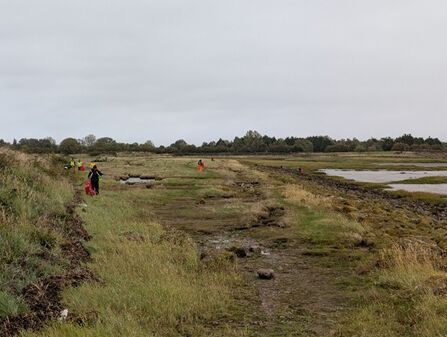
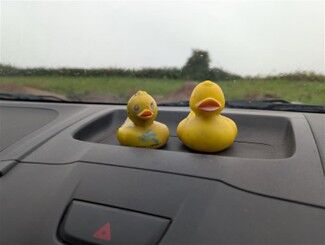
In September, a determined bunch of volunteers braved a very wet day to carry out our annual foreshore clean up at Peterstone Wentlooge. High tides of up to 12.5m in the previous week had pushed an interesting selection of junk onto the tidal saltmarsh and mudflats. The group found an industrial sized waste bin, a toy tractor and a Mrs duck to match with the duck picked up on the site from a previous event (pictured re-united in the reserve truck!). They managed a successful collection of 25 bags of litter and Newport city council assisted in collecting and disposing of all the waste items, which amounted to three truck loads full! 
 

Magor Marsh- willow pollarding, new bridge and Great Silver Water Beetle 

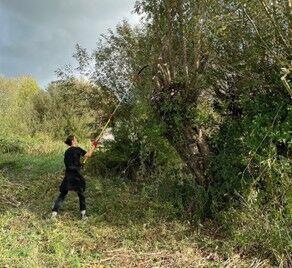
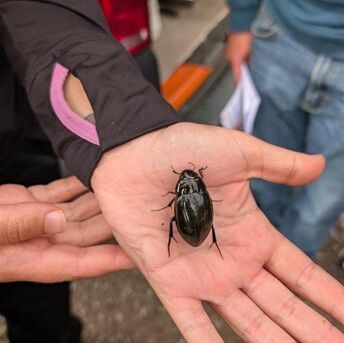
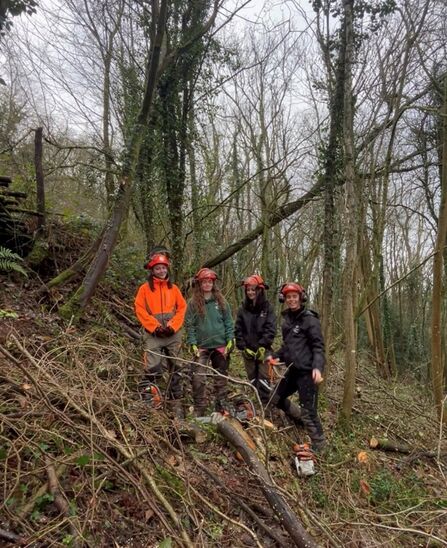
It’s been a busy few months at Magor Marsh, and you may notice a few changes if you visit the reserve! Just before Christmas, the Gwent Levellers were hard at work pollarding the willow trees along the entrance path, just before the bridge. Pollarding (cutting branches back to the trunk) helps prolong a tree’s life by encouraging healthy regrowth and reducing the risk of windfall or trunk splitting. It also creates valuable habitats for wildlife, including birds and bats, while reducing overshading of the aquatic ditches that support a rich variety of invertebrates. Just a few weeks earlier, we had a fantastic chance encounter with one of those invertebrates: the impressive Great Silver Water Beetle. It was spotted boldly making its way across the car park towards the vegetated Whitewall reen. This species is one of the listed aquatic invertebrates that forms part of the SSSI designations across the Gwent Levels. A search of the local records database shows around 30 records within the 10km square covering Magor and Undy and only five of those in the last ten years. Encounters like this highlight just how important it is to protect our reens and ditches.

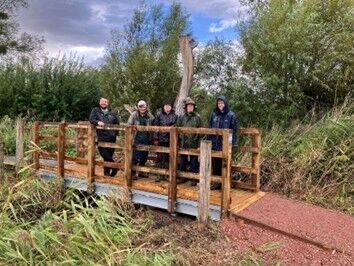
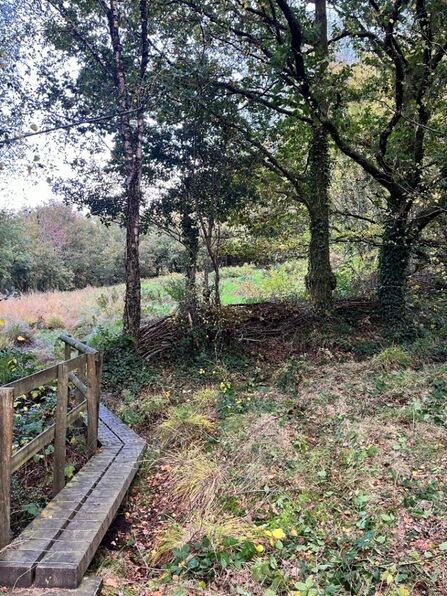
If you continue a little further along the path, you’ll spot another improvement: a shiny new bridge! A big thank‑you to all the volunteers who braved yet another wet day to get it finished. On 17th December, volunteers also enjoyed our end‑of‑year thank‑you celebration at Magor with a coffee and cake morning.

Over in the Eastern Valleys 

Branches fork Meadows- clearing scrub and building dead hedges

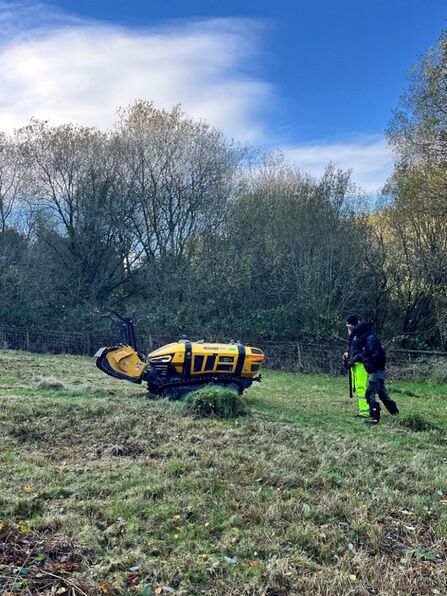
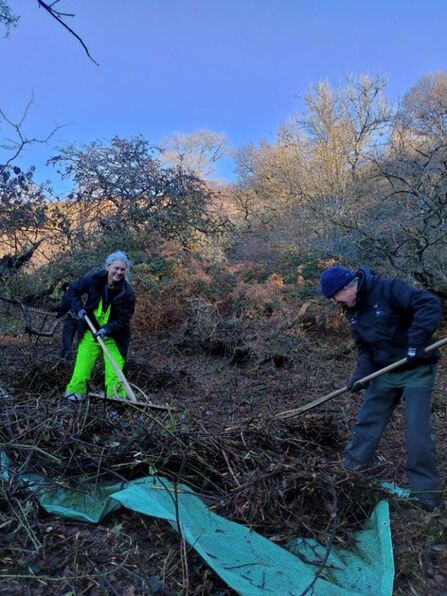
Branches Fork Meadows welcomed a special visitor in November when our robo‑flail arrived to help volunteers clear scrub across all three fields. This work is essential for giving delicate wildflowers the space they need to flourish in summer. Species such as Devil’s‑bit Scabious, Heath Spotted‑orchids, and Tormentil make this reserve a beautiful spot for a wild detour whilst out walking or cycling in the summer. Volunteers have also been busy building dead hedges using brash, creating natural fencing and shelter for insects, birds, and small mammals throughout the reserve. In the coming weeks, work will continue with our new River Restoration Officer, Chloe, to restore a pond in the far north‑western corner. This will involve a technique known as gully stuffing, where brash and larger woody material is used to fill the gully that feeds the pond, helping to slow water flow and prevent silt from building up. 

Silent Valley – battling brambling!

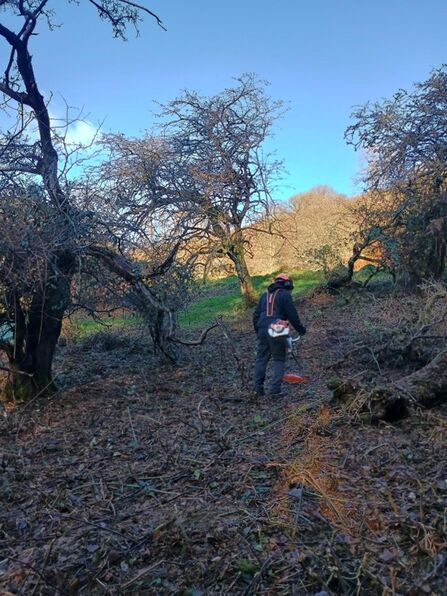
Our Silent Valley reserve has undergone a huge transformation over the past few months. Eastern Valleys Officers Izzi and Sarah, together with a dedicated team of volunteers, have been hard at work cutting back vegetation and opening up the field next to the car park for visitors and dog walkers to enjoy. In the quiet south‑western corner of the site, weeks have been spent clearing dense bramble to uncover numerous anthills and give the resident crab apple trees more space to thrive. By opening up these pockets of grassland, we’re adding to the rich mosaic of habitats found here, from Britain’s highest ancient beech woodland to heathland, bluebell-covered slopes, ponds, and streams. This work also helps prevent bramble from taking over and shading out the more delicate wildflowers and species that make Silent Valley so special.

Usk to Wye

Croes Robert- hazel dormice and coppicing 

We had some exciting findings at our Croes Robert reserve at the end of last year, following a very successful hazel dormouse survey season. Senior Evidence Officer Lowri and Nature Recovery Trainee Ellie recorded an impressive 14 dormice during their final monitoring round in October. Among them were a couple of large mice weighing around 25g, clearly making the most of the abundant nuts as they prepared for hibernation.

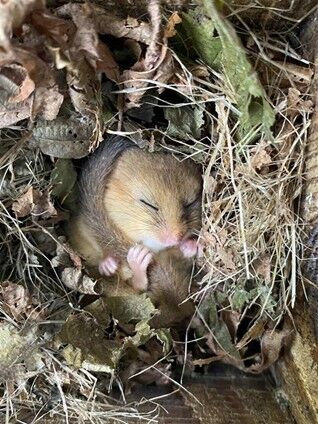
It was an extra treat to encounter two dormice that had gone into temporary torpor, likely conserving energy during the sudden cold weather (pictured below). Our other long‑term monitoring sites also recorded relatively good numbers last year, which is encouraging news after several seasons of low numbers at our sites. This special woodland inhabitant depends on continuous tree cover to move safely through the canopy, as well as plentiful honeysuckle and hazel for food and nesting. Careful woodland management is therefore essential to keep these resources in good supply. Our winter work at this site includes rotational coppicing (cutting trees down to ground level to encourage multiple new stems) to create a woodland with varied age and structure, ideal for dormice and many other species. We’ve also been opening up rides and glades to allow more light to reach the woodland floor, encouraging the growth of plants and shrubs that support butterflies and other insects.

Strawberry Cottage Wood- National Forest for Wales Scheme

Our Strawberry Cottage Wood Reserve is now part of the National Forest for Wales Programme, which aims to create a connected network of woodlands stretching the length and breadth of Wales. By protecting ancient woodland and creating new forest areas, the programme hopes that one day both people and wildlife will be able to move across Wales without ever leaving the woods. We’re excited to be part of this vision so keep an eye out for the new sign next time you visit the reserve!

New signage saying National Forest for Wales

Tom Campbell